Polskipl Englishen françaisfr Deutschde русскийru españoles portuguêspt 한국의ko Türkçetr ไทยth
blog
Dom /

blog

Coin Cell Case Material

July 29 , 2025

Xiamen Tmax Battery Equipments Limited was set up as a manufacturer in 1995, dealing with lithium battery equipments, technology, etc.  We have total manufacturing facilities of around 200000 square foot and more than 230 staff. Owning a group of experie-nced engineers and staffs, we can bring you not only reliable products and technology, but also excellent services and real value you will expect and enjoy.


coin cell case material

Coin cell battery cases are typically made from materials that provide durability, electrical conductivity for the terminals, and resistance to corrosion and leakage. The choice of material is critical because it impacts the performance, safety, and longevity of the battery. Here’s a detailed look at the materials commonly used for coin cell cases:

Common Materials for Coin Cell Cases

1. Stainless Steel
    Usage: Widely used for the outer case (can) of coin cells.
    Reasons: Stainless steel offers excellent mechanical strength and corrosion resistance, which are essential properties for containing the reactive chemicals inside the battery and ensuring longterm stability. It also serves as an effective conductor, acting as the positive terminal.

2. NickelPlated Steel
    Usage: Often used for the top cover (negative terminal) of the coin cell.
    Reasons: Nickel plating improves corrosion resistance and provides a good conductive surface. This ensures reliable electrical contact between the battery and the device it powers.

3. Nylon or Polypropylene (for Sealing Gasket)
    Usage: Used as the sealing gasket between the top cover and the can.
    Reasons: These materials offer excellent insulation and sealing properties, preventing electrolyte leakage and ensuring the battery remains sealed throughout its operational life. They also help in maintaining the structural integrity of the battery by providing a barrier against external elements like moisture and dust.

4. Polytetrafluoroethylene (PTFE, Teflon)
    Usage: Sometimes used as an alternative to nylon for the sealing gasket.

    Reasons: PTFE has superior chemical resistance and nonstick properties, making it ideal for environments where the battery might be exposed to harsh conditions. It provides excellent insulation and helps prevent leaks.


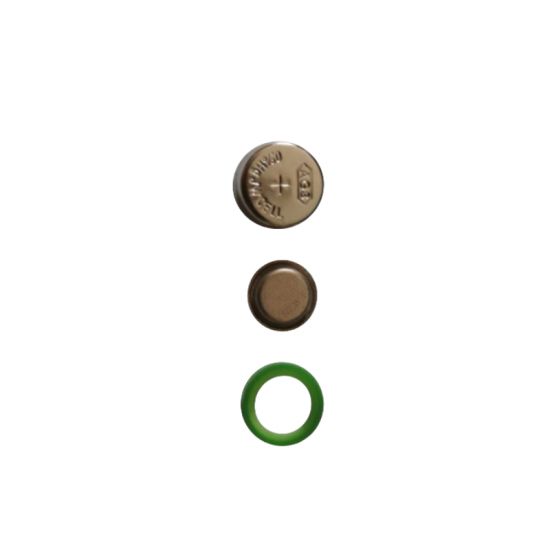
Coin Cell Case


Considerations for Material Selection
 Durability and Strength: The case must withstand physical stresses without deforming or breaking.
 Corrosion Resistance: Given the presence of reactive chemicals inside the battery, the case material must resist corrosion to ensure the battery's longevity.
 Electrical Conductivity: For the can and top cover, the ability to conduct electricity efficiently is crucial for the battery's operation.
 Sealing Capability: The sealing gasket must effectively prevent leakage of the electrolyte, ensuring both performance and safety.

The combination of these materials ensures that coin cell batteries are robust, safe, and reliable under various operating conditions. The precise engineering and selection of these materials contribute significantly to the overall quality and performance of coin cell batteries across different applications, from watches and calculators to medical devices and remote controls.

Dom

produkty

o

kontakt
